Mortgages for Non-Standard Construction Properties: What You Need to Know
Thinking about buying a unique or unusual home?
Properties made from non-standard construction materials like timber frames, concrete, or steel can be full of character—but they can also pose challenges when it comes to securing a mortgage.
What is Non-Standard Construction?
Most homes are built with brick walls and a tiled or slate roof. Anything outside this, such as:
Timber-framed homes
Thatched roofs
Concrete or steel-framed properties
Prefabricated buildings
…is considered non-standard by lenders.
Why It Matters:
Lenders view non-standard construction as higher risk because:
Some materials age poorly or are expensive to maintain.
Resale value can be unpredictable.
Insurance can be harder to obtain.
Can You Get a Mortgage? Yes, but…

Specialist Lenders: High street lenders may hesitate, but specialist lenders often have more flexible criteria for non-standard properties.

Survey and Valuation: A detailed property survey is crucial to assess the condition and value of the home.

Deposit Requirements: Lenders might ask for a larger deposit (often 25% or more).

Insurance: You’ll need to secure appropriate home insurance, which could be more expensive or limited for non-standard builds.

Pro Tip: If you’re considering a non-standard home, work with a mortgage broker. They can connect you with lenders who understand the quirks of these properties.

Common Examples of Non-Standard Homes:
Pre-WWII concrete houses (like Airey or Wimpey homes)
Thatched cottages
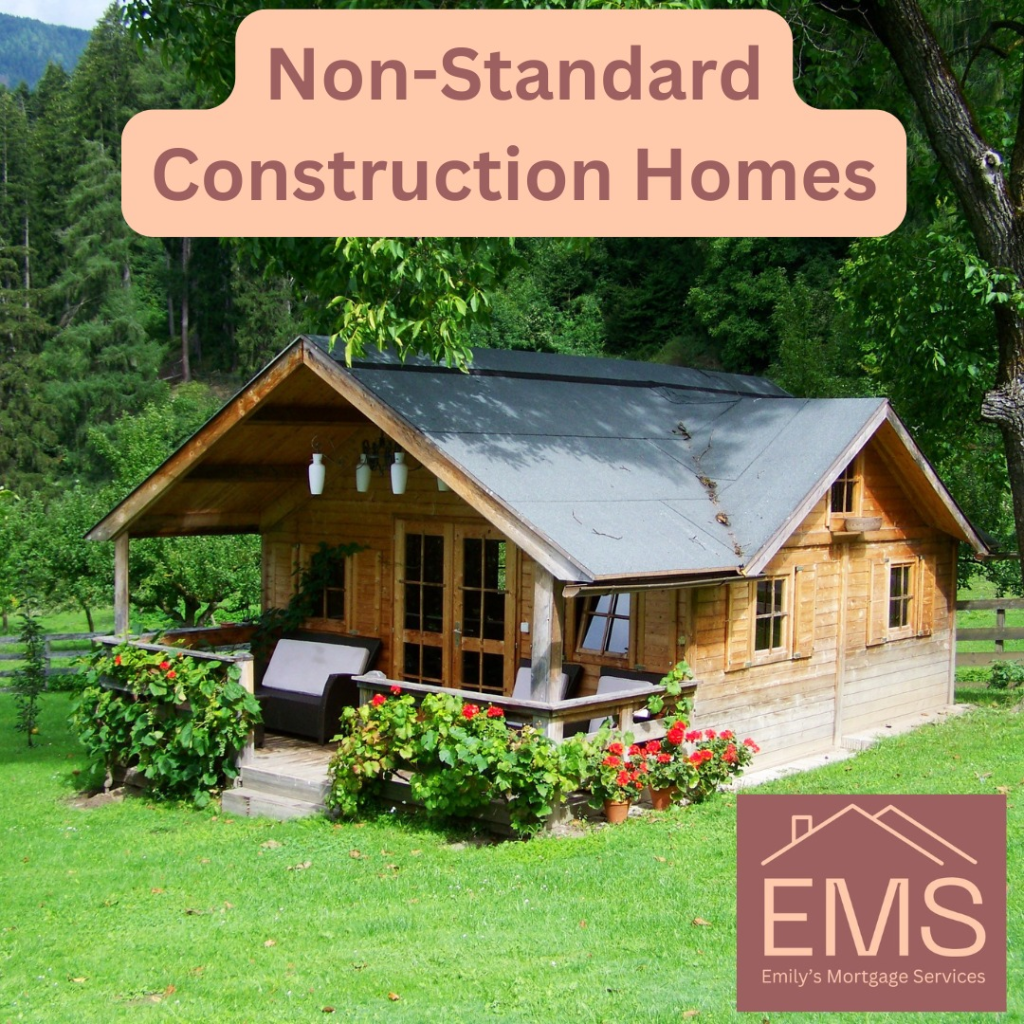
Log cabins or eco-homes
Converted barns or churches
Buying a non-standard property can be a rewarding adventure, but it’s essential to navigate the mortgage process carefully. Thinking about making a unique home your own? Drop your questions below!

#UKMortgages#MortgageBroker#MortgageSimplified#MortgageTips#ExpertAdvice#MortgageMadeEasy#UKProperty
 Emily's Mortgage Services LTD